Very Cute: A Unique Font for Creative Expression
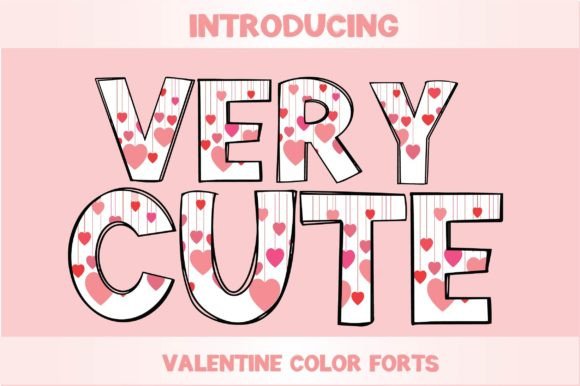
Very Cute is more than just a font—it's a creative tool that adds personality and charm to any project. With its whimsical, eclectic design and heart-shaped balloons, it stands out in a world of standard typefaces. Whether you're working on a brand identity, a social media campaign, or a personal project, Very Cute offers a fresh and playful way to communicate your message.
This font is ideal for those who want to infuse their work with a sense of fun and creativity. It’s particularly useful in visual storytelling, branding, and content creation where a unique aesthetic can make a big difference. By using Very Cute, you can create a visual identity that feels authentic and engaging.
Understanding the Role of Very Cute in Creative Workflows
Incorporating Very Cute into your workflow requires an understanding of how it fits within the broader creative process. From initial concept to final execution, this font can play a role at various stages. Before starting a project, it can inspire ideas and set a tone. During development, it can add visual interest and reinforce a theme. After completion, it can enhance the presentation and make your work stand out.
For example, if you're designing a marketing campaign, Very Cute can be used in headlines, slogans, or promotional materials to capture attention and convey a lighthearted message. In a learning environment, it can make educational content more engaging, especially for younger audiences or interactive lessons.
Integrating Very Cute into Different Projects
The versatility of Very Cute makes it suitable for a wide range of applications. In graphic design, it can be used for logos, posters, and illustrations. In digital marketing, it can appear in email newsletters, social media posts, and website headers. For personal projects, it can add a touch of creativity to journals, greeting cards, or handmade crafts.
When integrating Very Cute into your work, consider the context and audience. It works best in environments where a playful or artistic tone is appropriate. However, it may not be suitable for formal or professional settings where a more traditional font would be preferred. Always assess the purpose of your project before choosing a typeface.
Practical Tips for Using Very Cute
- Start with a clear purpose: Determine why you’re using Very Cute and what effect you want it to have. This will help you decide where and how to apply it effectively.
- Use it selectively: Avoid overusing the font, as it can become distracting. Apply it to key elements like titles, headings, or accents rather than body text.
- Pair it with complementary styles: Combine Very Cute with simpler fonts to maintain readability and balance. For instance, use it for headlines while using a clean sans-serif for body copy.
- Test it across platforms: Ensure that the font looks good on different devices and screen sizes. Some stylized fonts may not render consistently across all platforms.
- Consider accessibility: Make sure that the font is legible and doesn’t compromise the readability of your content. Avoid using it in small sizes or low-contrast situations.
How Very Cute Fits Into Broader Processes
Very Cute isn't just a standalone element—it can be part of a larger creative strategy. When planning a project, think about how the font can support your overall vision. For instance, if you're launching a new product, you might use Very Cute in packaging designs, promotional materials, or customer communications to create a cohesive and memorable brand experience.
It also plays a role in decision-making. When choosing a font for a project, consider how it aligns with your goals and audience. Very Cute can be a powerful choice when you want to convey creativity, innovation, or a youthful energy. However, it's important to evaluate whether it complements other elements of your design, such as color schemes, images, and layouts.
Collaboration and Team Integration
When working with a team, it's essential to ensure that everyone understands how to use Very Cute effectively. Share guidelines on when and how to apply the font, and provide examples of its proper usage. This helps maintain consistency and avoids confusion, especially in collaborative projects where multiple people may contribute to the design.
Additionally, consider how Very Cute interacts with other tools and resources. If you're using design software like Adobe Illustrator or Canva, make sure the font is compatible and available for use. You may also need to adjust spacing, alignment, or other formatting elements to ensure the font looks its best in different contexts.
Long-Term Use and Maintenance
Using Very Cute over time requires some maintenance and attention. As trends evolve, you may find that the font becomes less relevant or less effective in certain situations. Stay aware of how it performs in different projects and be open to updating or replacing it when necessary.
Consistency is key. If you're using Very Cute in multiple areas of your work, ensure that it's applied uniformly. This helps build recognition and reinforces your brand identity. Regularly review your use of the font to ensure it continues to serve its intended purpose and remains aligned with your goals.
Conclusion: Embracing Creativity with Very Cute
Very Cute is a powerful tool for anyone looking to add a unique and playful touch to their work. Its creative, eclectic design and heart-shaped balloons make it stand out in a crowded design landscape. By integrating it thoughtfully into your workflow, you can enhance your projects and express your ideas in a more engaging way.
Whether you're a designer, marketer, educator, or hobbyist, Very Cute offers a fresh approach to typography that can elevate your creative output. With the right application and consideration, it can become a valuable asset in your design toolkit, helping you bring your vision to life with style and personality.